Reviewing the Pumpkin Soup Embroidery Design
When I first pulled up Pumpkin Soup Machine Embroidery on my screen, I wasn’t looking for just another seasonal motif. As a designer who spends hours tweaking digitizing settings and testing fabrics, I look for designs that balance aesthetic charm with technical reliability. This particular design caught my eye because it promises more than just a cute pumpkin; it offers a filled, professional look that suggests warmth and comfort. For those of us running small shops or creating personalized gifts, the difference between a design that looks like a sticker and one that looks like high-end embroidery often comes down to stitch quality and layout. Let’s dive into how this design holds up in real-world applications.
First Impressions and Visual Mood
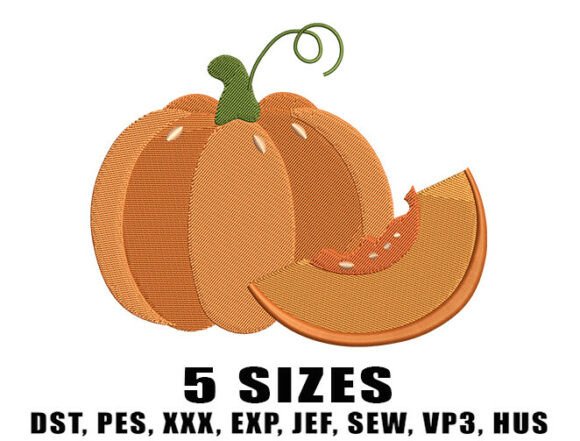
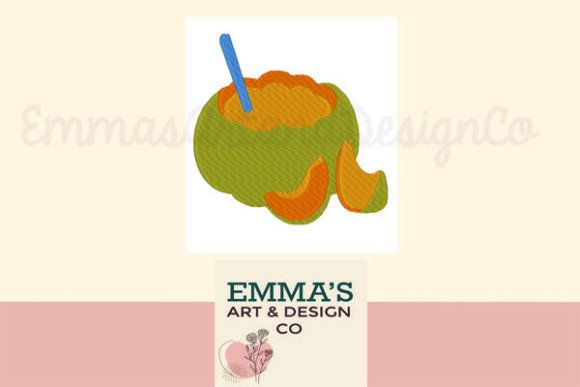
The immediate impression of Pumpkin Soup Machine Embroidery is one of cozy sophistication. It doesn’t rely on overly complex outlines or chaotic details. Instead, it uses a filled approach that creates a solid, substantial presence on fabric. The shape is recognizable and inviting, evoking the essence of autumn without feeling cliché. For a Thanksgiving project, this is crucial. You want something that feels festive but not so themed that it can’t be worn or used beyond a single holiday dinner.
The visual personality here is soft yet structured. It fits naturally into projects where you want to convey warmth—think kitchen textiles, baby items, or casual fall apparel. The lack of excessive tiny details means it avoids the common pitfall of thread breaks and bird nests that plague overly intricate digital embroidery files. It feels like a design made for production, not just for show.
Real-World Application: The Tote Bag Test
To truly evaluate a design, I mentally place it on a specific product. I imagined stitching Pumpkin Soup Machine Embroidery onto a heavy canvas tote bag, a staple item for any craft business. On a textured fabric like canvas, fill stitches need to be dense enough to cover the weave but not so dense that they cause puckering. This design’s structure suggests it would sit beautifully on a tote, providing a bold focal point that doesn’t get lost in the fabric’s texture.
For an Etsy seller, this versatility is key. You aren’t limited to one product type. The same design could easily transition to a sweatshirt embroidery project, where the softness of the fleece complements the filled nature of the pumpkin. It works equally well as a patch on a denim jacket or as a subtle accent on a linen apron. The adaptability makes it a valuable asset for anyone looking to expand their product line without investing in dozens of different designs.
Technical Performance and Stitch Quality
The description notes that this is a professionally digitized design intended for smooth stitching. In my experience, "smooth" usually means well-placed underlay and logical stitch paths. When working with a filled design, stitch density is critical. If the density is too high, the fabric will warp; if it’s too low, the background shows through. Based on the visual profile of Pumpkin Soup Machine Embroidery, it appears to strike a balance suitable for medium-weight fabrics.
However, caution is needed when moving to challenging materials. On stretchy fabrics like jersey t-shirts, proper stabilizer use is non-negotiable. A cut-away stabilizer would likely be necessary to support the weight of the fill stitches and prevent distortion after washing. Similarly, on thin fabrics like silk or lightweight cotton, the design might pull or pucker if not backed correctly. Always test on scrap fabric first. This isn’t just advice; it’s a rule for maintaining professionalism in your finished product.
Navigating Fabric and Hoop Constraints
While this design is versatile, it isn’t universal. Here are some scenarios where you should proceed with care:
- Small Hoop Sizes: If you are working with a 4x4 hoop, ensure the design scales down without losing its integrity. Tiny details can merge when reduced, turning a clean pumpkin shape into a blob.
- Dark Fabrics: Thread color contrast is vital. On black or navy fabric, standard orange threads might look dull. Consider using variegated threads or adding a satin stitch border to make the design pop against dark backgrounds.
- Curved Surfaces: Stitching on caps or curved pillow covers requires careful hooping. The filled nature of the design means it has weight. Ensure your stabilizer is secure to prevent shifting during the stitch-out.
- Textured Fabrics: On highly textured materials like bouclé or thick towels, the fine details of the fill might get lost. In these cases, a simpler outline or applique design might be more effective, though this filled version can still work if the thread sheen contrasts well with the fabric matte finish.
Enhancing Brand Value and Customer Trust
For commercial embroidery and small shop owners, the quality of your design assets directly impacts perceived value. A clean, well-stitched Pumpkin Soup Machine Embroidery signals professionalism. Customers may not know the technical terms like "stitch density" or "underlay," but they recognize quality when they see it. A crisp, clean design on a baby onesie or a holiday gift tag builds trust in your brand.
When creating printable mockups or digital product previews, this design’s clear silhouette renders well. It allows potential buyers to visualize the final product easily, which can boost engagement and sales. Whether you are selling the physical embroidered item or the digital embroidery file itself, presentation matters. Use high-quality thread colors and ensure your lighting highlights the texture of the stitches.
Practical Designer Notes
Before you commit to a large batch of production, keep these practical tips in mind:
- Check Licensing: Always confirm whether the design license allows for commercial use. If you are an Etsy seller or run a boutique, you need to know if you can sell finished products made with this design.
- Thread Selection: Experiment with different thread types. Polyester offers durability and sheen, while rayon provides a softer luster. For a rustic look, try matte cotton threads.
- Stabilizer Choice: Match your stabilizer to your fabric. Tear-away for stable woven fabrics, cut-away for knits, and water-soluble for delicate or pile fabrics.
- Test Stitch-Outs: Never skip the test. Stitch the design on the actual fabric you plan to use. Check for pulls, gaps, or thread breaks. Adjust tension if necessary.
- Mockup Variations: Create mockups in both color and black-and-white. This helps you understand how the design reads without color reliance, ensuring the shape itself is strong.
In conclusion, Pumpkin Soup Machine Embroidery is a solid choice for designers looking for a reliable, aesthetically pleasing autumn motif. It bridges the gap between festive holiday decor and everyday wearable art. By respecting the technical requirements of filled designs and choosing the right materials, you can create products that stand out in a crowded market. Whether you are making a single personalized gift or stocking your small shop with seasonal merchandise, this design offers the versatility and quality needed to succeed.