Reviewing the Faux Embroidery Patchwork Christmas Tree
As an embroidery designer who has spent countless hours behind a hoop and even more time managing a booth at local holiday markets, I know that not every design translates well from screen to fabric. When I first opened the file for the Faux Embroidery Patchwork Christmas Tree, my immediate reaction was one of cautious optimism mixed with practical curiosity. This is not a traditional machine embroidery file filled with thousands of stitches; rather, it is a high-resolution graphic intended to mimic the look of hand-stitched patchwork. For those of us selling craft fair products and handmade products, understanding the distinction between actual stitching and printed faux embroidery is crucial for setting customer expectations and ensuring product quality.
First Impressions and Aesthetic Appeal
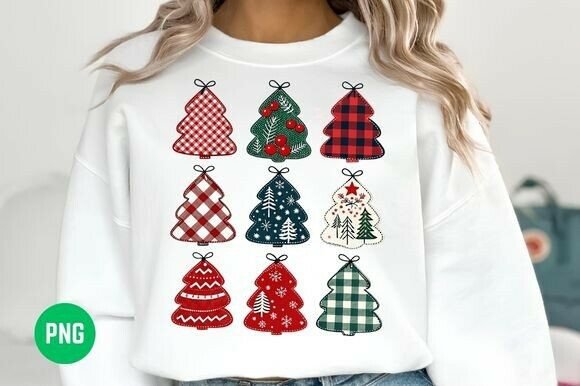
The visual impact of this design is undeniably festive. The "patchwork" style evokes a sense of nostalgia, fitting perfectly into the farmhouse and rustic trends that dominate the holiday season. It feels soft, decorative, and approachable. Unlike sleek, modern minimalism, this design leans into the cozy, handmade aesthetic that buyers actively seek out during December. The transparent background of the 300 dpi PNG file allows for seamless integration onto various colored fabrics, which is a significant advantage for a small shop product line where inventory variety is key.
When evaluating this as a T-Shirt Designs or general Graphics asset, it stands out because it bridges the gap between digital convenience and tactile warmth. Customers often mistake high-quality faux embroidery for real stitching at a glance, which can draw them to your booth. However, honesty in marketing is vital. You are selling a printed design that celebrates the look of embroidery, not the embroidery itself. This distinction matters for pricing and perceived value.
Product Versatility for the Holiday Market
The true strength of the Faux Embroidery Patchwork Christmas Tree lies in its versatility across different substrates. Since this is a printable graphic and not a digitized machine embroidery design, you are not limited by hoop sizes or stitch counts. Here is how it performs on common market items:
- Tote Bags and Market Bags: This is perhaps the strongest application. The large surface area of a canvas tote allows the patchwork details to shine. It makes for an excellent tote bag design that customers can use for gift-giving or grocery runs.
- Aprons and Tea Towels: An apron embroidery look-alike on a cotton apron creates a charming kitchen gift set. Similarly, tea towel embroidery aesthetics work well here, provided you use high-quality heat transfer vinyl or direct-to-film printing to ensure durability through washes.
- Pillow Covers and Pouches: For smaller items like fabric pouches or pillow covers, the design acts as a focal point. It adds a premium feel to simple linen or cotton blends.
- Printable Mockups and POD: As noted in the product details, these files are perfect for Print on Demand (POD) services. You can create printable mockup images for your Etsy listings without ever touching physical inventory, testing which colorways sell best before committing to stock.
Practical Production and Selling Points
From a production standpoint, using a PNG graphic instead of a digitized embroidery file significantly speeds up your workflow. There is no need to worry about stitch density causing puckering or thread breaks. You can batch-produce dozens of items in the time it would take to stitch one complex design. This efficiency is critical for Etsy sellers and boutique makers who need to scale up during the busy holiday rush.
However, there are careful-use notes to consider. Because this is a printed graphic, the clarity depends entirely on the print resolution and the fabric texture. On highly textured materials like thick waffle-weave towels, fine details in the "patchwork" squares might get lost. It is essential to test the design on scrap fabric first. Check how the thread colors of your printed ink interact with the base fabric color. Dark fabrics may require a white underbase or a lighter version of the design to maintain visibility.
Additionally, while the design is labeled as high resolution, always verify the dimensions before printing. If you shrink the Faux Embroidery Patchwork Christmas Tree too small for a tiny pocket or a small ornament tag, the individual patchwork elements may blur together, losing that distinctive handmade charm. It works best as a medium to large focal design rather than a subtle accent.
Enhancing Brand Consistency and Booth Display
In a crowded craft fair, visual cohesion draws customers in. Using this design across multiple product types—such as matching tote bags, aprons, and pillow covers—creates a strong brand presence. It signals to buyers that you have a curated collection rather than random items. The festive nature of the tree ensures it captures attention immediately, boosting buyer engagement.
For commercial embroidery businesses looking to expand their offerings without investing in new digitizing software, this graphic serves as an excellent bridge. It allows you to offer "embroidered-look" items at a lower price point and faster turnaround time. Just ensure you review the licensing terms included in the zip file. The description states it is perfect for PODs, mugs, stickers, and cards, implying broad commercial use, but always confirm if there are restrictions on mass production or specific platforms.
Designer Notes for Best Results
Before listing this as a finished product, follow these practical steps:
- Test on Scrap Fabric: Print or press the design on the exact fabric weight you intend to sell. Check for cracking or fading after a wash test.
- Check Contrast: Ensure the colors of the patchwork tree pop against your chosen fabric. A green tree on a dark green shirt will vanish.
- Review Spacing: If placing the design near seams or pockets, ensure there is enough clear space so the print does not get distorted by sewing.
- Create Real Mockups: Do not rely solely on digital previews. Photograph the actual printed item in natural light to show customers the true quality.
- Confirm Licensing: Although the file is described as suitable for commercial products, double-check the included documentation for any specific attribution requirements or limitations.
The Faux Embroidery Patchwork Christmas Tree is a valuable asset for any creative entrepreneur looking to capitalize on the holiday market. It offers the aesthetic appeal of handmade crafts with the efficiency of digital production. By understanding its strengths and limitations, you can create a compelling product line that resonates with customers seeking warmth, tradition, and quality this holiday season.