Review: Hey Boo Halloween Embroidery Design for Merch
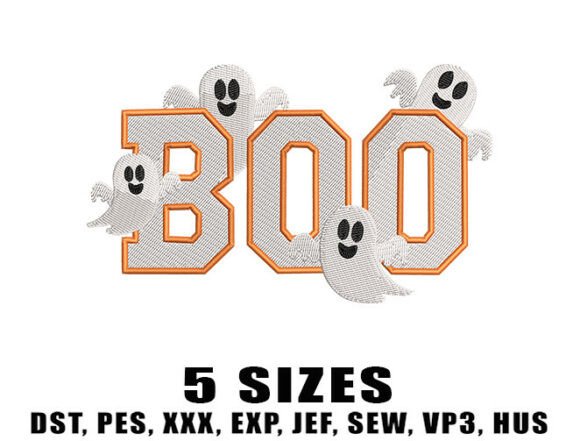
As an embroidery designer who has spent years digitizing files and consulting with small business owners, I approach every new machine embroidery design with a critical eye. It is not enough for a file to look cute on a screen; it must perform under the needle, withstand washing, and elevate the brand identity of the client using it. Recently, I evaluated the Hey Boo Halloween Embroidery Design, specifically looking at its potential for commercial use in boutiques, cafes, and handmade product lines. This review breaks down how this spooky yet charming motif translates from a digital concept to a tangible business asset.
First Impressions: Visual Personality and Appeal
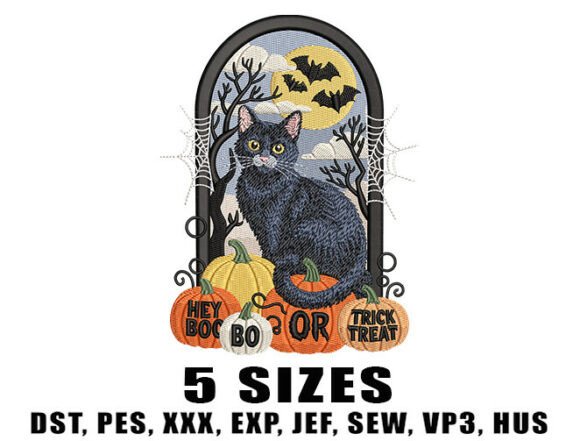
The initial view of the Black Cat Halloween Window Embroidery strikes a delicate balance between eerie and endearing. The composition features a black cat with piercing yellow eyes, nestled among pumpkins within a window-like frame. For a designer, this framing device is crucial. It provides a natural border that contains the stitch density, making it easier to hoop and stabilize compared to free-floating elements. The aesthetic feels playful rather than terrifying, which broadens its commercial appeal. It is not just for haunted houses; it fits perfectly into the "cozy autumn" trend that drives sales for florists, bakeries, and lifestyle brands during the fall season.
The color palette suggests high contrast. Black cats against a window frame require precise thread color selection to ensure the subject does not disappear into dark fabrics. The piercing yellow eyes serve as a focal point, drawing the viewer’s attention immediately. This level of visual hierarchy is essential for effective brand identity, ensuring that the logo or graphic is recognized even from a distance.
Commercial Applications for Small Business Merch
When considering small business merch, versatility is key. The Hey Boo Halloween Embroidery Design offers several viable applications for entrepreneurs looking to expand their product offerings.
- Embroidered Patches: The window frame structure makes this design an ideal candidate for cut-edge or merrowed edge patches. Patches allow businesses to create limited-edition items without committing to large runs of fully embroidered garments. They can be sold as standalone accessories or added to denim jackets and backpacks.
- Custom Apparel and Uniforms: For local cafes or boutique shops, this design works well as a chest logo accent on staff uniforms. It adds a seasonal touch to standard work shirts or aprons, creating a sense of community and festivity for customers.
- Tote Bag Design: Canvas tote bags are a staple for craft fairs and retail stores. Placing this design on the center or lower corner of a tote creates a high-value handmade product that customers are willing to pay a premium for.
- Cap Embroidery: While challenging due to curvature, the compact nature of the window frame could work on the front panel of a dad hat or beanie, provided the size is adjusted correctly.
Using this digital embroidery file for customer gifts or event merch can also boost buyer engagement. A small embroidered patch included with a purchase feels personal and luxurious, enhancing the perceived value of the transaction.
Technical Considerations and Production Challenges
While the design is visually appealing, technical execution requires careful planning. As a designer, I always advise checking specific file details before production. Since the exact stitch count and hoop size are not explicitly defined in the brief description, you must verify these specifications with the file provider. However, based on the visual complexity, here are critical factors to consider:
- Stitch Density and Fabric Texture: Black fills require dense stitching to look solid and professional. On textured fabrics like terry cloth or heavy canvas, you may need to adjust the pull compensation or use a heavier cut-away stabilizer to prevent puckering. Always test on a scrap piece of your actual production fabric first.
- Thread Colors and Contrast: The success of this design hinges on the contrast between the black cat and the background. If embroidering on dark uniforms, you will need to use a light-colored backing or change the window frame thread to a lighter shade to ensure the design remains visible. Do not assume black thread will show up on navy or charcoal garments.
- Small Patch Sizes: If scaling this down for small labels or tiny patches, the intricate details of the pumpkins and the cat’s eyes may merge. Simplify the design or increase the size if the target application is smaller than three inches. Tiny lettering or fine outlines often get lost in small formats.
- Curved Surfaces: For cap embroidery, the rigid window frame might distort if not hooped with proper tear-away or wash-away stabilizers. Use a cap frame driver to ensure consistent tension.
Impact on Brand Identity and Customer Trust
Consistency in visual assets builds trust. When a business uses high-quality design assets like the Hey Boo Halloween Embroidery Design, it signals professionalism. A sloppy, poorly digitized logo can detract from a brand’s reputation, whereas a clean, well-stitched emblem enhances it. This design’s charming aesthetic aligns well with brands that want to appear friendly, approachable, and creative.
Furthermore, offering seasonal items shows that a business is active and engaged with current trends. It keeps the brand top-of-mind for customers who are actively shopping for holiday-themed goods. Whether used on apron embroidery for a bakery or as a detail on packaging, the design reinforces the handmade, artisanal quality that many consumers seek out over mass-produced alternatives.
Practical Designer Notes for Implementation
Before running a full production batch, follow these steps to ensure quality control:
- Create a Printable Mockup: Use software to visualize the design on different garment colors. This helps in selling the concept to clients or deciding on inventory mix before stitching a single thread.
- Test in Black and White: Remove color variables to check if the shape and spacing hold up. If the design looks muddy in grayscale, it may have too much density or insufficient spacing between elements.
- Confirm Commercial Licensing: Always verify the license terms of the embroidery file. Ensure you have the right to use it for physical goods intended for sale. Some licenses restrict the number of units or require attribution.
- Inspect Spacing and Jump Stitches: Review the file in your embroidery software. Minimize jump stitches where possible to reduce trimming time and improve the finished look.
In conclusion, the Hey Boo Halloween Embroidery Design is a strong contender for seasonal commercial embroidery projects. Its framed composition offers structural stability, while its charming subject matter appeals to a broad audience. By paying attention to technical details like stabilizer choice, thread contrast, and sizing, small business owners can transform this digital file into a profitable and professional finished product. Remember to always validate the specific technical specs of the file before committing to large-scale production.