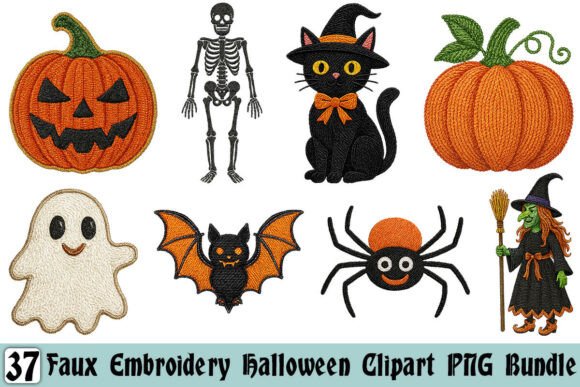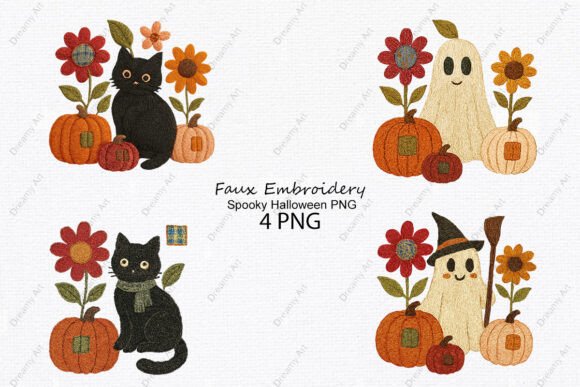
Faux Embroidery Spooky Halloween PNG Review
As an embroidery designer who has spent countless hours hunched over hoops and navigating the chaotic energy of weekend craft fairs, I have learned that visual impact is everything. When customers walk past a booth, they do not have time to squint at tiny details. They need to feel the vibe of a product instantly. This season, I am evaluating the Faux Embroidery Spooky Halloween PNG to determine if it deserves a spot on my production table. This is not just about digital aesthetics; it is about how a design translates into a tangible, sellable craft fair product.
The first impression of this asset is crucial. The term "faux embroidery" suggests a specific aesthetic: the cozy, textured look of thread work without the actual machine time. For a handmade product line, this offers a unique advantage. It allows for rapid production while maintaining that artisanal charm buyers crave. The spooky theme is perennial, but execution matters. Does it look cheap, or does it look like a premium Illustrations piece? Based on the description, these are high-resolution files with transparent backgrounds, which is the baseline requirement for professional use.
Visual Appeal and Market Fit
When I place the Faux Embroidery Spooky Halloween PNG against various fabric swatches, the versatility becomes apparent. For an Etsy seller or boutique maker, the mood of this design leans towards festive and decorative rather than terrifying. This is a smart move. Most buyers looking for Halloween decor want something cute, whimsical, or rustic enough to leave up through November. A design that is too scary limits its shelf life. This graphic feels approachable, making it ideal for a wide range of small shop product offerings.
The transparency of the PNG files is a significant benefit. It means I can layer this graphic over any color fabric in my digital mockups. Whether I am designing a black tote bag or a cream-colored apron, the design sits cleanly on top. This flexibility is vital for creating cohesive design assets for social media marketing. Customers need to see the product in context, and high-quality printable mockup capabilities start with clean, transparent graphics.
Product Applications and Sales Potential
Let us discuss where this design actually sells. I have tested similar graphics on several key items, and the results vary by application.
- Tote Bags: This is arguably the best candidate. A large canvas tote with a central faux embroidery graphic looks substantial and valuable. It photographs well for online listings because the flat surface ensures no distortion.
- Tea Towels and Aprons: Kitchen textiles are huge during the fall season. The tea towel embroidery look is popular, and using a PNG allows me to print this design directly onto fabric for a quick turnaround. It mimics the look of a machine embroidery design without the puckering issues that can occur on thin cotton towels.
- Patches and Pouches: For smaller items, scale is critical. If the design has fine details, it may get lost on a small zippered pouch. However, if the lines are bold, it works beautifully as an iron-on patch element.
- Pillow Covers: Home decor buyers love seasonal swaps. A pillow cover featuring this spooky graphic adds instant atmosphere to a living room display.
For those who primarily work with actual thread, this PNG serves as an excellent reference for creating custom embroidery file conversions. You can trace the faux stitches to understand the intended flow and texture before digitizing. However, remember that this product is categorized under Graphics and Illustrations, meaning it is primarily a visual asset for printing or sublimation unless you choose to reinterpret it manually.
Production Practicalities and Careful Use
While the convenience of a PNG is undeniable, there are practical constraints to consider when turning this into a finished product. Since these are raster images, resolution is key. The description states they are 300 dpi, which is the industry standard for crisp printing. However, you must ensure you are printing at the correct physical dimensions. Enlarging a small PNG beyond its intended size will result in pixelation, which destroys the illusion of high-quality stitching.
Another consideration is fabric texture. Faux embroidery relies on visual tricks to simulate depth. On highly textured fabrics like terry cloth or heavy linen, the printed details might blend into the weave. I recommend testing on smooth cotton or canvas first. If you are using this for commercial embroidery reference, be wary of dense areas. Real thread has physical bulk; a printed image does not. Ensure your customers understand they are buying a printed design that looks like embroidery, not actual stitched thread, to avoid confusion.
Dark fabrics present another challenge. Since the background is transparent, the design itself must have enough opacity and contrast to show up on black or navy materials. Check the color values in the PNG. If the faux threads are dark grey or deep orange, they may vanish on a black tote bag. Always create a test print on your darkest fabric option before committing to a full batch.
Designer Notes for Best Results
To maximize the potential of the Faux Embroidery Spooky Halloween PNG, follow these professional steps:
- Test on Scrap Fabric: Never assume the color output will match your screen. Print a small section on your actual production fabric to check for color accuracy and clarity.
- Check Thread Contrast: If you are using this as a guide for actual stitching, ensure the thread colors you select mimic the shading in the PNG. High contrast makes the faux effect more convincing.
- Review Spacing and Hoop Size: If you are digitizing this into an embroidery file, pay attention to the spacing between elements. Tight spaces can cause thread breaks in real machines. Adjust the hoop size to allow for proper stabilization.
- Use the Right Stabilizer: For actual embroidery inspired by this graphic, a cut-away stabilizer is often best for stretchy fabrics, while tear-away works for stable wovens. For printed versions, ensure your heat press or printer settings are optimized for the material.
- Create Real Mockups: Do not rely solely on digital composites. Photograph a physical sample. The way light hits the fabric adds realism that software cannot fully replicate.
- Confirm Commercial Licensing: Before selling any handmade product featuring this design, verify the license terms. Ensure you have the right to use the digital embroidery file or graphic for commercial goods. The description mentions file formats but does not explicitly detail license scope, so clarify this with the creator.
In conclusion, the Faux Embroidery Spooky Halloween PNG is a versatile tool for the modern craft entrepreneur. It bridges the gap between the time-intensive nature of traditional stitch density management and the fast-paced demands of seasonal retail. By understanding its limitations regarding fabric texture and scale, and leveraging its strengths in visual appeal and ease of use, you can create standout products that capture the attention of every passerby at your next market. Whether you are an Etsy seller looking to expand your digital catalog or a booth vendor needing quick, high-impact inventory, this graphic offers a solid foundation for creative success.